The best Dorset vineyard tours: where to taste English wine by the sea

A few things set a Dorset vineyard tour apart:
- The scenery. Many vineyards sit close to the Jurassic Coast, with rolling hills and wide skies framing the tasting
- A focus on fizz. Several producers specialise in traditional-method sparkling wines that sit beautifully alongside seafood and local produce, not unlike the pairings on our own menu at The Garden Room Restaurant
- Small, owner-run estates. You’ll often meet the people who planted the vines, which suits anyone new to wine and curious to learn
- An easy addition to a short break. Base yourself in Dorchester, Sherborne or along the coast, and build a relaxed itinerary around the vineyards near you
Whether you already know your Pinot Noir from your Pinot Meunier, or simply fancy an afternoon among the vines, Dorset has guided tours, informal tastings and self-guided walks to suit most levels of curiosity.
Wareham makes a sensible base for exploring most of these vineyards, with The Priory Wareham sitting close to the river and within easy reach of West and North Dorset alike.
The best Dorset vineyards for tours
Furleigh Estate
Set in countryside not far from the Jurassic Coast, Furleigh Estate is one of the better-known names for a Dorset vineyard tour. The estate concentrates on premium sparkling wines from Chardonnay and Pinot Noir, with a few still wines alongside.
A typical visit pairs a guided walk through the vineyard with a look at the winery and bottling line, finishing with a seated tasting. Because Furleigh focuses on sparkling wine, you’ll come away with a clear sense of how English fizz is made, from grape to glass.
It’s a good choice for a first visit. Tours are well-structured and easy to follow, and the tasting room team are happy to talk through grape varieties, sweetness levels and food pairing. There’s usually the chance to take a bottle home, too. Book ahead, particularly for summer weekends.
Langham Wine Estate
A short drive from Dorchester, Langham Wine Estate has built its reputation on characterful, traditional-method sparkling wine. The vineyards slope gently around a historic farm, which gives the whole visit a working-countryside feel.
A tour here usually covers:
- A walk among the vines, with notes on pruning, yield and harvest timing
- A visit to the winery to see the fermentation tanks and barrel store
- A comparative tasting across several sparkling wines, often different vintages or styles
If you already enjoy Champagne and want to understand how Dorset’s soil and climate shape something quite different, Langham rewards the curiosity. The tasting space generally has light food on hand, so there’s no need to rush off afterwards. As ever, book in advance, especially in a group.
English Oak Vineyard
Within reach of Poole and the eastern side of the county, English Oak Vineyard suits a day that mixes wine with the beaches and harbours of the south coast. True to its name, oak trees frame the vines as much as anything else.
The estate concentrates on sparkling wine from traditional grapes, and tours tend to focus on the particular challenges of growing here, from coastal breezes to frost management.
Visits are usually a relaxed walk followed by a tasting, and because the vineyard is compact and family-run, the whole thing feels personal rather than rehearsed. Worth checking opening days before you set off, as tours don’t run every day.
Bride Valley Vineyard
Set among the rolling hills of West Dorset, Bride Valley Vineyard was built with quality sparkling wine in mind from the outset, and has become an important name in the county’s wine story. The chalky soils here echo those found in parts of Champagne, which makes for an interesting comparison if you know your French fizz.
Tours and tastings can be seasonal, sometimes by appointment only. When running, a visit usually explores the thinking behind the planting and the stylistic goals for each wine, with tastings showing how the local terroir comes through in the glass.
Because the visitor offer here changes from year to year, it’s worth checking Bride Valley’s own website, or simply asking us, before you plan your visit.
Sherborne Castle Wines
The vines at Sherborne Castle Wines grow in the historic parkland surrounding Sherborne Castle in North Dorset, which makes this one of the more atmospheric visits in the county, especially if you enjoy pairing heritage with wine.
The experience differs slightly from a standalone winery. Depending on the season, you might:
- Walk the wider castle grounds and gardens, with views over the vines.
- Taste wines from the estate’s own grapes, sometimes still, sometimes sparkling.
Tours and informal tastings vary year to year, given that the wine offer sits alongside a much larger visitor attraction. Worth a quick check before you go.
Melbury Vale Winery
Near the Wiltshire border in North Dorset, Melbury Vale Winery is a small, eco-conscious producer making both still and sparkling wine. Sustainability runs through the building itself, and it tends to come up naturally in the tour.
Expect:
- A look at the winery’s architecture and its sustainable features
- An overview of how the grapes are grown on the surrounding slopes
- A tasting flight that may run from white through rosé and red to sparkling
Melbury Vale’s small scale makes a visit feel more like a conversation than a presentation, which suits anyone curious about eco-friendly winemaking, or simply touring North Dorset and fancying a stop along the way. Bookings are usually essential, particularly for larger groups.
Little Waddon Vineyard
A smaller, boutique operation near the Jurassic Coast, Little Waddon Vineyard suits anyone after a quiet, intimate introduction to Dorset wine, away from busier attractions.
Tours generally cover:
- A walk through the vines, explaining how a small team manages the growing season
- The particular challenges of farming grapes in a maritime climate
- A concise tasting with a strong sense of local identity
Given its size, Little Waddon may only run tours on certain days, or by appointment. No bad thing if you value a peaceful setting and proper attention, though it does mean planning ahead in peak season.
D’Urberville Vineyard
D’Urberville Vineyard takes its name from Thomas Hardy’s fiction and sits in the rural Dorset countryside that inspired his novels, which adds an extra layer of interest if you’re combining a literary trail with a wine visit.
Visits tend to be appointment-based, with a focus on:
- Walking the rows and hearing how the site was chosen.
- Learning which grape varieties have done best here.
- Sampling a small range of wines in a relaxed, conversational setting.
D’Urberville keeps a lower profile than some of Dorset’s larger estates, so it’s worth contacting them directly to check availability and tasting format before you travel.
Tour details, prices and booking notes
Guided or self-guided
Across Dorset, you’ll find both fully guided tours and more informal visits where you explore at your own pace. Larger estates such as Furleigh and Langham tend to favour structured, guided tours led by a member of the wine team, ideal if you’d like a clear introduction to growing, winemaking and tasting.
Elsewhere, you might find:
- Self-guided walks along marked vineyard paths, often with information boards.
- Access to the vines as part of a larger attraction, as at Sherborne Castle Wines.
- Simple tasting-room visits without a full vineyard tour.
A guided tour suits anyone new to wine, since you’ll pick up details a self-guided walk won’t cover. Self-guided visits work well if your time is tight, or you’d simply rather wander and take photographs among the vines.
What to expect, and how long it takes
The details vary by vineyard, but most Dorset tours follow a similar rhythm:
- Length: most guided tours run between one and two hours, covering the vines, the winery and a seated tasting.
- Wines: tastings usually include at least two, sometimes more, particularly at the sparkling-wine specialists.
- Content: your host will talk you through how to taste, what to look for in aroma and flavour, and how the local soil and climate shape each bottle.
Some vineyards offer a longer, more involved tour with extra wines or cellar access, perhaps alongside a food pairing. Others keep things simple: a short introduction followed by an unhurried tasting at the cellar door. Prices and inclusions shift over time, so it’s always worth checking directly with each vineyard before you book.
When to visit, and when to book ahead
Dorset’s vineyards are working farms, so their visitor programmes follow the growing season closely:
- Spring to early autumn tends to be the busiest, with green vines and the fullest run of tour dates.
- Harvest brings its own atmosphere, though some vineyards scale back public tours while the grapes come in.
- Winter is quieter, with fewer tours and more focus on tastings or one-off events.
Smaller vineyards, including Little Waddon and D’Urberville, often run by appointment outside the busier months. Even where a drop-in visit is technically possible, group sizes are usually limited, so booking ahead remains the sensible move.
Planning your Dorset wine route
If you’d rather have the planning done for you, keep an eye on our packages and offers, where we’ll often have a break or two that will pair perfectly with a day among the vines.
Finding your bearings
A few natural groupings help with planning a sensible route:
- Dorchester and central Dorset: Langham Wine Estate is the main option, ideal if you’re based in the county town or exploring inland villages.
- West Dorset and the Jurassic Coast: Furleigh Estate, Bride Valley Vineyard and Little Waddon Vineyard all sit within reach of Bridport and Lyme Regis.
- North Dorset: Melbury Vale Winery and Sherborne Castle Wines suit a stay near Sherborne, Shaftesbury or Gillingham, or a route between Dorset, Somerset and Wiltshire.
- East Dorset and Poole: English Oak Vineyard sits conveniently for combining wine with Poole, Bournemouth or the Purbeck coastline.
- Rural central Dorset: D’Urberville Vineyard is best reached by car or pre-booked transport.
Public transport to most vineyards is limited, so driving remains the practical choice for the majority of visitors. If a full tasting is on the cards, it’s worth arranging a designated driver or taxi in advance, rather than leaving it to chance. Once you’re back, JJ’s Bar is a fitting place to compare notes over something from the cellar.
Accessibility and group size
A few patterns hold across most of the county:
- Terrain: vineyards often sit on slopes with grass or uneven ground, which can be difficult for limited mobility or wheelchair users. Some estates offer step-free routes, or hold tastings entirely indoors
- Facilities: larger estates tend to have accessible toilets and parking; smaller sites may be more basic
- Groups: standard tours are usually kept small to preserve the personal feel. Larger bookings, including celebrations and corporate visits, tend to need separate arrangements
If anyone in your party has specific accessibility needs, a quick call ahead is the best way to find the right format. Most vineyards are glad to help.
Pairing a visit with the rest of Dorset
A vineyard tour fits neatly alongside the county’s other attractions:
- The Jurassic Coast: combine Furleigh, Bride Valley or Little Waddon with West Bay, Charmouth, Lyme Regis or a clifftop walk
- Historic towns: pair Langham with Dorchester’s museums and Roman history, or Melbury Vale and Sherborne Castle Wines with Sherborne’s abbey and town centre
- Beaches and harbours: English Oak sits well alongside a Poole Harbour cruise, Sandbanks, or the Purbeck Hills
- Countryside walks: many vineyards lie near footpaths and bridleways, for a morning’s walk and an afternoon’s tasting
One or two vineyard visits over a long weekend leaves plenty of room to enjoy the tours properly, with time left for the rest of Dorset besides.
Make it part of your stay
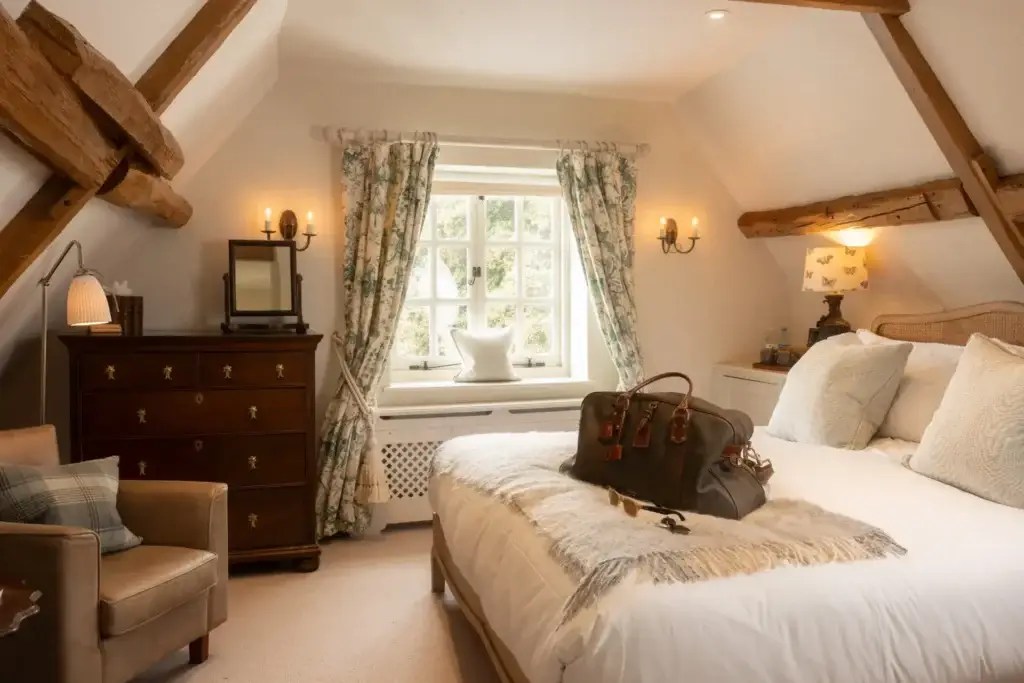
A day among Dorset’s vines sits naturally alongside a night or two at The Priory. Stay with us in Wareham, and you’re well placed for West Dorset’s coast, North Dorset’s countryside, and a quiet dinner back at The Garden Room once the tasting’s done.
FAQs
Which Dorset vineyards offer guided tours?
Most of the names above offer a guided tour, at least seasonally: Furleigh Estate, Langham Wine Estate, English Oak Vineyard, Bride Valley Vineyard, Melbury Vale Winery, Little Waddon Vineyard and D’Urberville Vineyard. Sherborne Castle Wines may also offer wine-related experiences as part of a wider visit to the castle and grounds. Formats and availability shift, so it’s worth confirming directly with each estate.
Do tours include a tasting?
Yes, almost always, usually at the end of the tour. Sparkling-wine specialists such as Furleigh, Langham, English Oak and Bride Valley tend to show several cuvées, while mixed wineries like Melbury Vale offer a broader spread of still and sparkling. Some vineyards can also arrange a more in-depth tasting or food pairing on request.
When’s the best time to go?
Late spring through to early autumn, generally, when the vines are in leaf and the weather plays fair. For grapes still on the vine, aim for late summer or early autumn, bearing in mind harvest is a busy time and some vineyards scale back tours accordingly. Winter visits still work well for an indoor tasting, though vineyard walks are more limited.
Do you need to book ahead?
In practice, yes. Dorset’s vineyards tend to be small, with limited capacity for tours:
- Weekends and school holidays sell out fastest.
- Appointment-only vineyards, such as Little Waddon or D’Urberville, need arranging in advance.
- Even where a walk-in tasting is allowed, a quick call first avoids disappointment, and gives the team fair warning of how many to expect.
Booking ahead is also the moment to mention accessibility needs, ask about food, and check the policy on children, dogs or a designated driver before you set off. A glass of something local, after all, tastes rather better when nothing’s been left to chance.
Most of the names above offer a guided tour, at least seasonally: Furleigh Estate, Langham Wine Estate, English Oak Vineyard, Bride Valley Vineyard, Melbury Vale Winery, Little Waddon Vineyard and D’Urberville Vineyard. Sherborne Castle Wines may also offer wine-related experiences as part of a wider visit to the castle and grounds. Formats and availability shift, so it’s worth confirming directly with each estate.
Yes, almost always, usually at the end of the tour. Sparkling-wine specialists such as Furleigh, Langham, English Oak and Bride Valley tend to show several cuvées, while mixed wineries like Melbury Vale offer a broader spread of still and sparkling. Some vineyards can also arrange a more in-depth tasting or food pairing on request.
Late spring through to early autumn, generally, when the vines are in leaf and the weather plays fair. For grapes still on the vine, aim for late summer or early autumn, bearing in mind harvest is a busy time and some vineyards scale back tours accordingly. Winter visits still work well for an indoor tasting, though vineyard walks are more limited.
In practice, yes. Dorset’s vineyards tend to be small, with limited capacity for tours:
- Weekends and school holidays sell out fastest.
- Appointment-only vineyards, such as Little Waddon or D’Urberville, need arranging in advance.
- Even where a walk-in tasting is allowed, a quick call first avoids disappointment, and gives the team fair warning of how many to expect.
Booking ahead is also the moment to mention accessibility needs, ask about food, and check the policy on children, dogs or a designated driver before you set off. A glass of something local, after all, tastes rather better when nothing’s been left to chance.